
What Is Positive Reinforcement In Dog Training?: The Basics

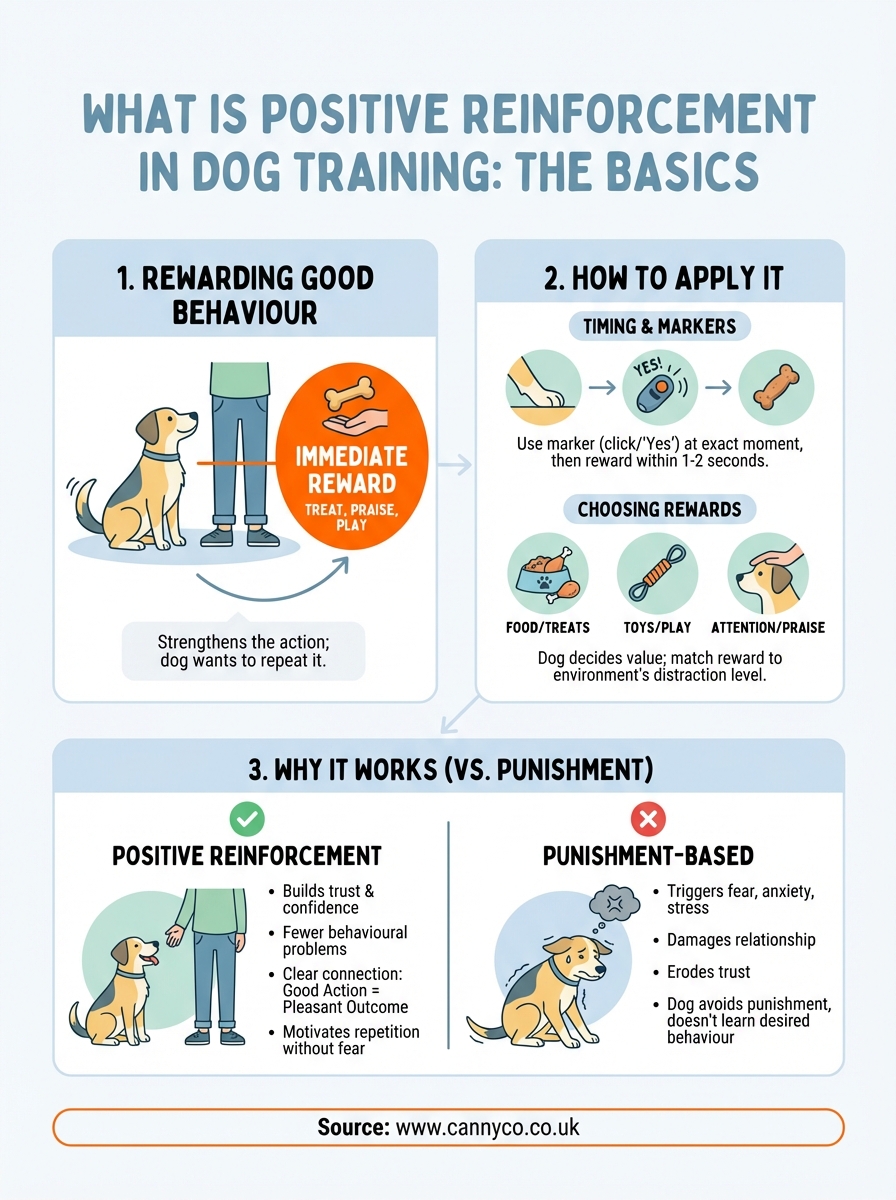
Positive reinforcement in dog training means rewarding your dog when they do something you like. Give them a treat, praise, or play when they sit on command or walk calmly by your side, and they'll want to repeat that behaviour. The reward strengthens the action. The more consistently you reward good behaviour, the more reliably your dog will offer it. This approach builds trust and makes training enjoyable for both of you.
This guide covers everything you need to know about using positive reinforcement effectively. You'll learn why this method works better than punishment, how to choose rewards your dog actually wants, and how to apply these principles during daily walks. We'll also clear up the confusion between positive reinforcement, negative reinforcement, and punishment. By the end, you'll have practical steps to start training your dog in a way that strengthens your bond and creates lasting results.
Why positive reinforcement matters
Your dog learns faster when training feels rewarding. Positive reinforcement creates a clear connection between good behaviour and pleasant outcomes, which motivates your dog to repeat those actions. Unlike punishment-based methods, this approach doesn't trigger fear or stress that can damage your relationship. When you reward your dog for walking without pulling, they associate calm behaviour with treats and praise.
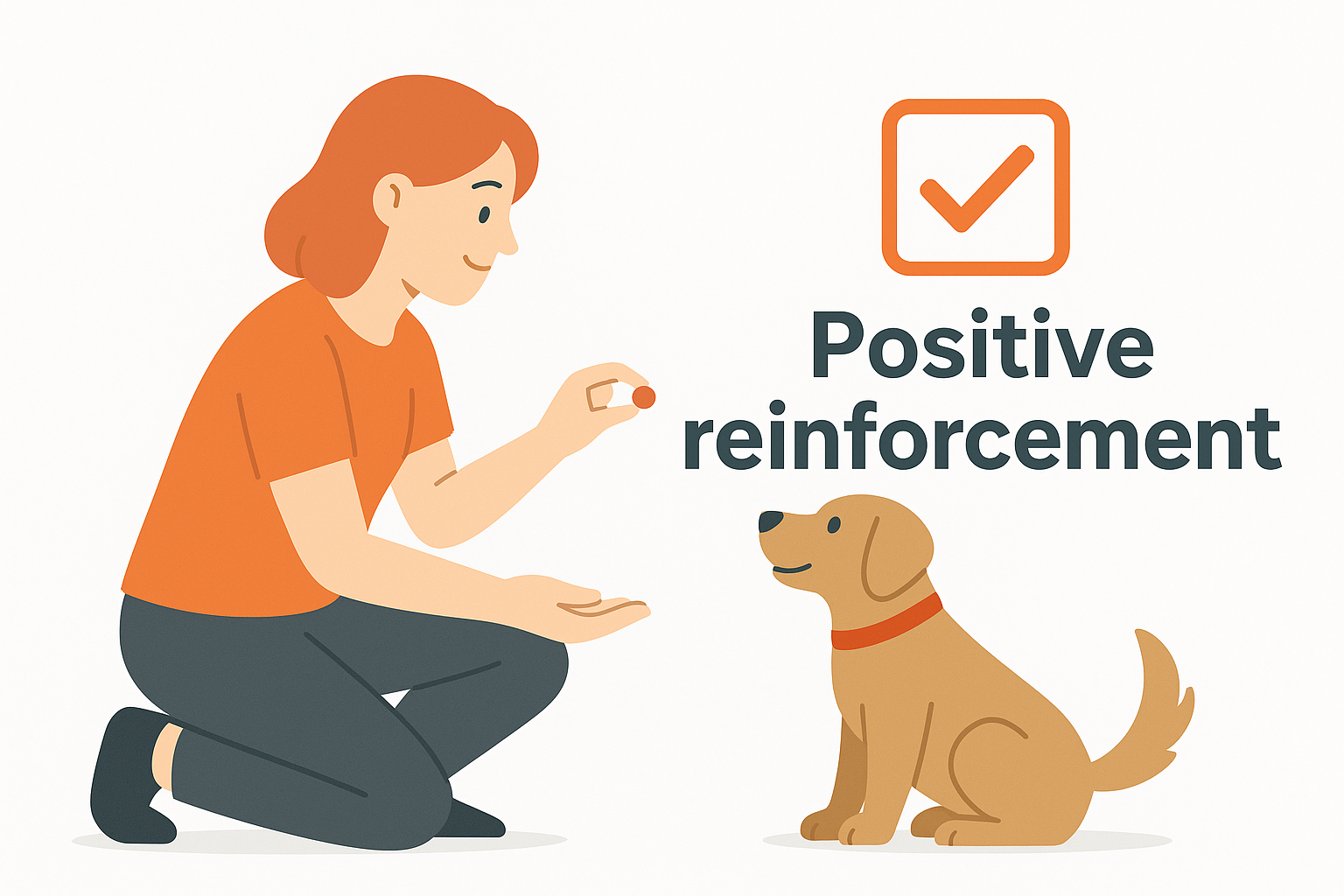
Builds trust and confidence
Science backs this method as the most effective way to teach new behaviours. Dogs trained with rewards demonstrate fewer behavioural problems and respond more consistently to commands.
"Reward-based training can help build confidence and encourage dogs to think for themselves."
Understanding what is positive reinforcement in dog training helps you create a training environment where your dog feels safe to learn. Your dog will trust you more, which makes every aspect of life together easier. This foundation of trust becomes especially valuable during walks when distractions appear.
How to train your dog with positive reinforcement
Training with positive reinforcement follows a simple pattern: request a behaviour, wait for your dog to complete it, then immediately deliver a reward. The timing matters more than you might expect. Your dog needs to connect the reward with the action, so you have about one to two seconds to deliver it. This tight timing window ensures your dog understands exactly what earned the reward.
Start with timing and markers
A marker tells your dog the precise moment they got something right. Most trainers use a clicker or a word like "yes" or "good" to mark the behaviour. The marker acts as a bridge between the behaviour and the reward. When your dog's bottom touches the floor after you ask them to sit, click or say your marker word immediately, then deliver the treat. This two-step process (marker then reward) gives you more flexibility because the marker buys you a few extra seconds to reach for the treat.
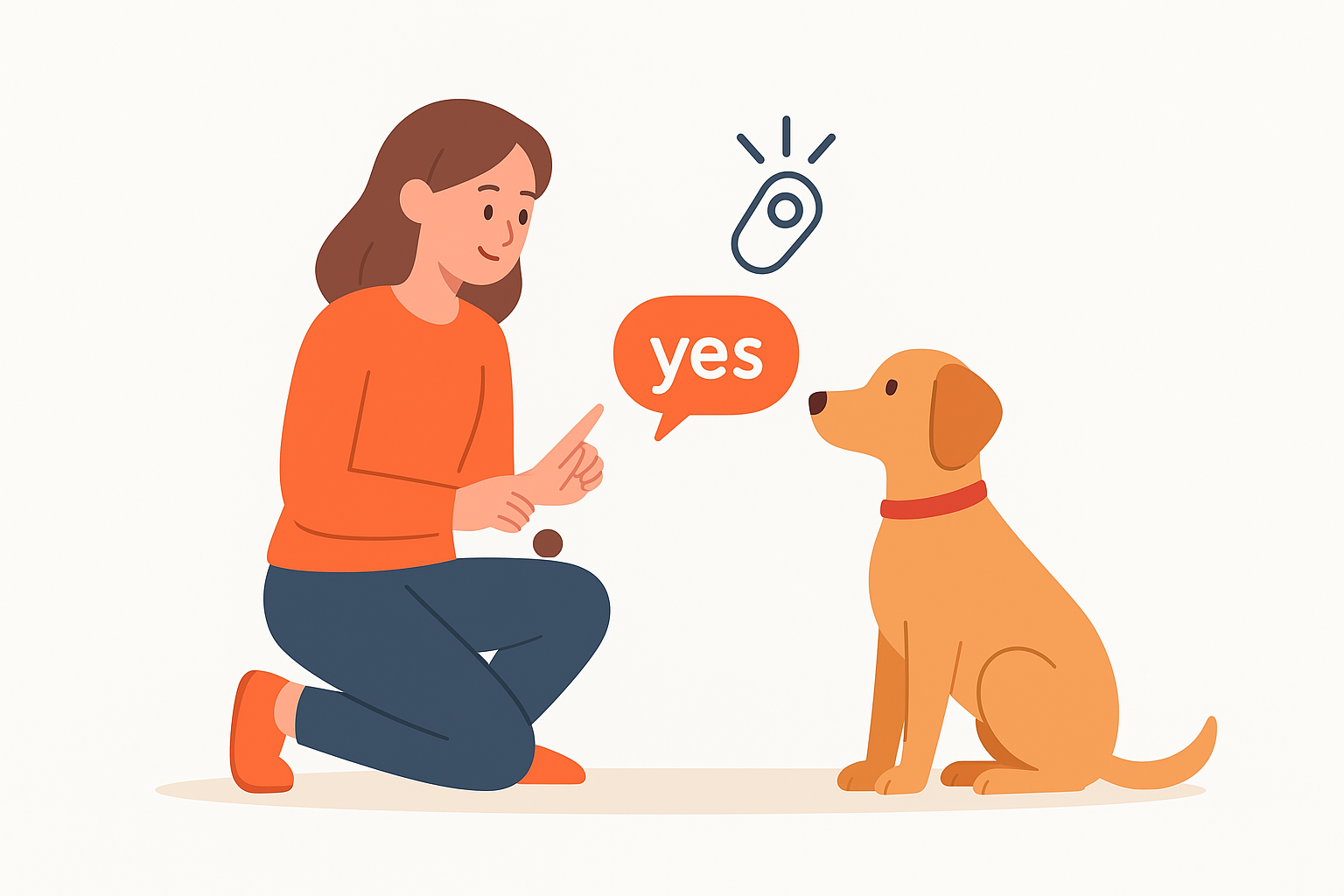
"The marker tells your dog 'Yes, you've got it right and I'm just about to give you a reward'."
Consistency with your marker creates clarity. Use the same sound or word every time, and always follow it with a reward. Your dog will quickly learn that the marker predicts something good.
Practice in the right environment
Start training in a quiet space where your dog can focus completely on you. Your home works well because distractions remain minimal. When what is positive reinforcement in dog training becomes clear to your dog in this calm setting, you can gradually increase difficulty.
Keep sessions short and frequent rather than long and draining. Five minutes of focused training beats twenty minutes of distracted work. End each session while your dog still wants more. This approach maintains enthusiasm and prevents frustration.
Once your dog responds reliably at home, add mild distractions gradually. Move to your garden, then a quiet street, then busier areas. This progression builds confidence and helps your dog generalise the behaviour across different settings.
Choosing the right rewards for your dog
Your dog decides what counts as a reward, not you. Some dogs work enthusiastically for kibble whilst others need chicken or cheese to stay motivated. Test different options to discover what your dog values most. Small, soft treats work best because your dog can eat them quickly and return focus to training. Cut treats into pea-sized pieces to prevent overfeeding and maintain interest.
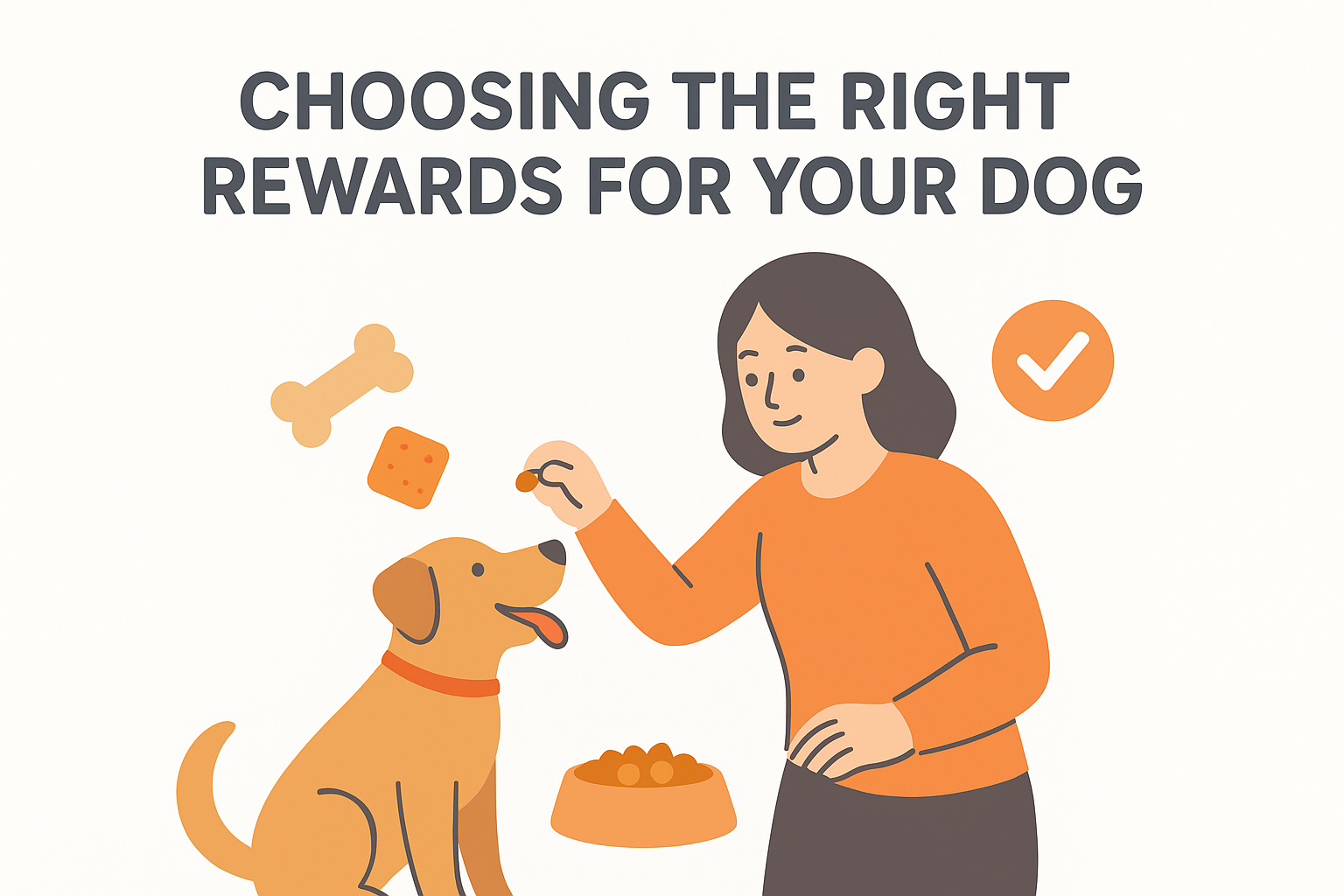
"Whatever you choose needs to be safe for your dog and something they like."
Match rewards to the situation
The environment influences what your dog finds rewarding. A biscuit might work perfectly at home, but you'll need something more exciting when training near other dogs or squirrels. Reserve your highest-value treats (cooked chicken, cheese, sausage) for challenging situations or when teaching new behaviours. Use standard treats or kibble for behaviours your dog already knows well.
Food isn't your only option. Many dogs love play with a favourite toy, especially breeds with strong chase or retrieve instincts. Attention from you also rewards behaviour. A calm stroke or quiet praise suits moments when you want to maintain calmness, whilst enthusiastic play rewards active behaviours like recall. Understanding what is positive reinforcement in dog training means recognising that rewards change based on context and your dog's current motivation.
Positive vs negative reinforcement and punishment
Many people confuse these terms, which leads to misunderstandings about training methods. Understanding what is positive reinforcement in dog training requires knowing how it differs from other learning processes. Positive and negative don't mean good and bad in this context. They describe whether you add something or take something away. Reinforcement strengthens behaviour whilst punishment weakens it.
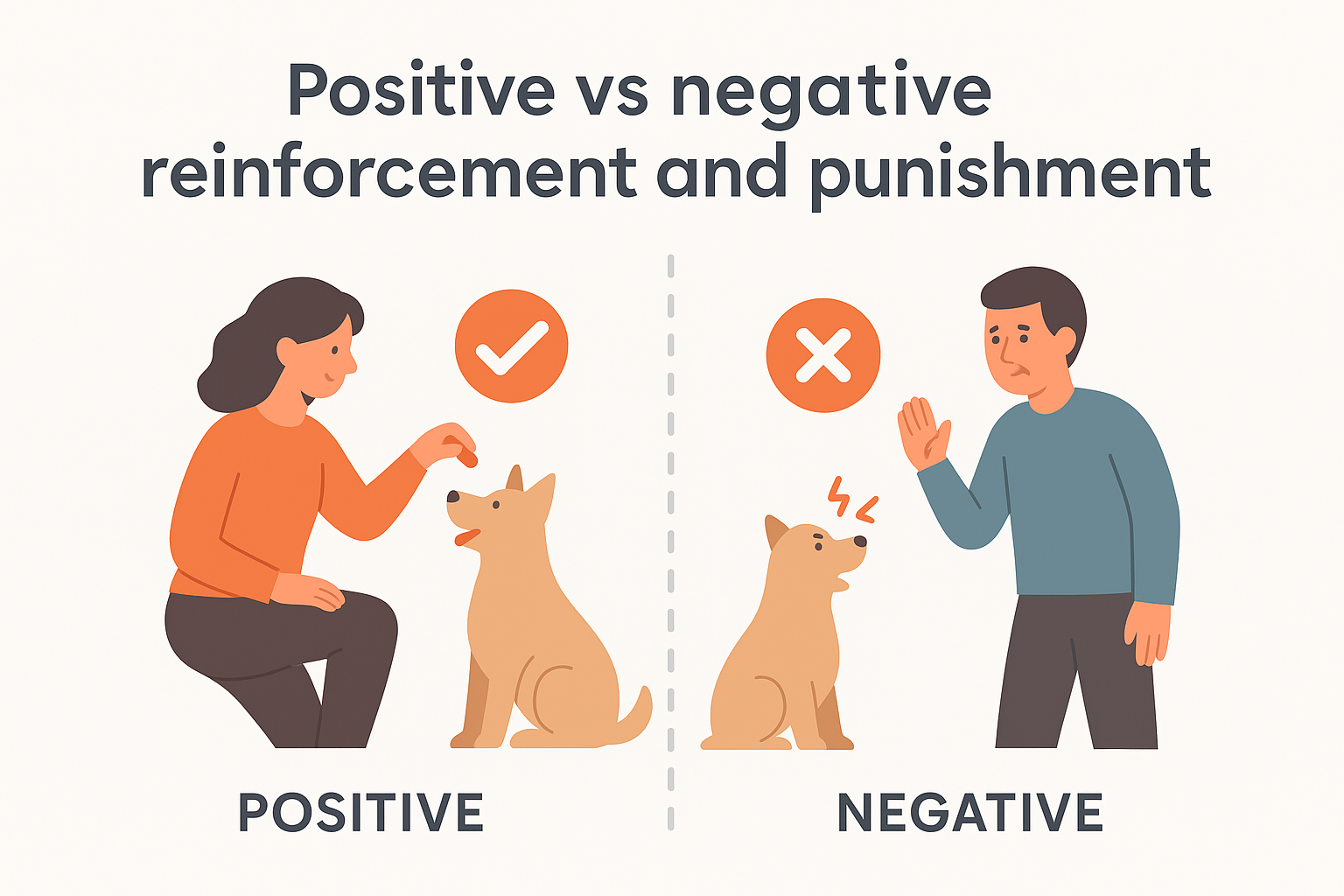
The reinforcement spectrum
Positive reinforcement adds something your dog wants immediately after a behaviour, which makes that behaviour happen more often. You give a treat when your dog sits, so sitting becomes more frequent. Negative reinforcement removes something unpleasant when your dog performs the desired behaviour. Traditional methods that apply collar pressure until a dog sits, then release the pressure, use negative reinforcement. The removal of discomfort strengthens the behaviour.
Both types of reinforcement increase behaviour, but positive reinforcement builds without creating fear or stress. Your dog learns what to do rather than what to avoid.
Why punishment falls short
Punishment aims to decrease unwanted behaviours by adding something unpleasant or removing something pleasant. Shouting at your dog for jumping or taking away their toy when they bark both constitute punishment. This approach creates significant problems that affect your relationship and your dog's wellbeing.
"Three major fallouts of using negative reinforcement are: creating a negative conditioned emotional response, eroding trust with the handler, increasing fear, anxiety, and stress."
Dogs trained with punishment-based methods show higher rates of fear and aggression. They learn to avoid punishment rather than understand what you want. Training becomes unpredictable and stressful for both of you. Positive reinforcement offers a clearer, safer path that strengthens your bond whilst teaching reliable behaviours.
Using positive reinforcement on walks
Walks present the perfect opportunity to apply what is positive reinforcement in dog training in real situations. Every time your dog walks calmly beside you or responds to your cues, you can reward that behaviour immediately. Start by rewarding frequently for even small moments of loose lead walking. Your dog will begin to understand that staying near you without pulling earns good things.
Reward calm walking
Catch your dog doing something right rather than waiting for perfect behaviour. When you notice slack in the lead, even for just a few steps, deliver a reward. This frequent reinforcement teaches your dog that walking without tension feels good and brings benefits. As your dog improves, you can gradually increase the distance or duration before rewarding.
"If your dog loves running off lead, then this can be a reward for walking along nicely on lead for a few paces."
Handle distractions effectively
Environmental rewards work brilliantly during walks. Allow your dog to sniff an interesting spot after they've walked calmly for a stretch. Permission to greet another dog becomes a reward for sitting and waiting politely. These real-world rewards feel more valuable to many dogs than treats because they access what they already wanted. Keep high-value treats ready for challenging moments when your dog chooses you over a major distraction.
Bringing it all together
Understanding what is positive reinforcement in dog training gives you a powerful framework for teaching your dog new behaviours. Reward what you want to see more of, use clear markers to communicate precisely, and match your rewards to the situation. This approach creates a confident, responsive dog who enjoys training sessions and trusts your guidance. When pulling on walks becomes an issue, the right equipment combined with consistent positive reinforcement transforms your experience. Explore our training collars and leads designed to work alongside reward-based methods for calmer, more enjoyable walks together.

